
Family history looks simple on a chart until someone starts pulling on a single thread. One census record, marriage date, or odd middle name can upend what relatives have repeated for generations. For fiction writers, genealogical research is one of the best reality checks available. Real family records show how timelines collide, how people bend the truth to protect their standing, and how ordinary paper trails hold dramatic turning points.
(Note: Because plot mechanics are easiest to see in action, this post includes spoilers for the Midsomer Murders episode “Dark Secrets.“)
Timelines Are Messier Than We Assume
When mapping out ancestors across decades, dates rarely line up the way family lore remembers them. A child arrives earlier than polite society expected, a move happens years before or after a story claims, or two major events overlap in ways nobody connected. Even shared birth dates and sibling stories can carry unexpected turns, as covered in the post on the August 13 twins.
Fiction writers often build neat, linear backstories that move in a straight line from cause to effect. Real timelines are overlapping, uneven, and shaped by travel delays, economic shifts, and local events. Checking when a rail line opened, when a mill closed, or when a family crossed a state border grounds a story in real friction. Characters do not just age in a vacuum. Their choices collide with the calendar and the map.
Secrets Leave Paper Shadows
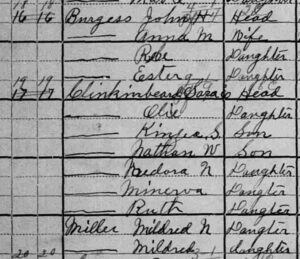
People rarely write down their deepest secrets in plain sight, yet those secrets still leave marks around the edges. A sudden change of surname, a quiet relocation after a scandal, or a probate file with an unexpected heir tells a story even when the motive is missing. In fiction, secrets work best when they create pressure on everyday behavior rather than serving as a sudden shock twist. Characters guard reputations, hide debts, or keep quiet to spare someone else pain.
Episodes that build whole plots around buried family ties and old cover-ups, such as the Midsomer Murders episode “Dark Secrets“, show how hidden parentage and shifting identities can upend present-day relationships. Looking at how real families danced around uncomfortable truths helps writers craft quieter, more believable tension. It shows what people choose to explain and what they leave unsaid.
Records Show What Was Valued
Surviving records are never a complete mirror of the past. They preserve what institutions, courts, churches, or employers cared enough to track at the time. A farmer might appear in land deeds and tax rolls for forty years while leaving almost no personal letters behind. Another person might vanish from official records for a stretch, only to surface in a court docket or newspaper notice.
Browsing free archives on FamilySearch or local courthouse indexes makes that gap easy to spot. It reminds writers to ask who gets remembered in a story’s world, who gets overlooked, and what gets left off the page.
The Writer’s Takeaway
Genealogy does not hand over a ready-made plot on a silver platter. It gives texture, constraint, and a sharper eye for human motive across time. When building a character’s backstory or family web, tracing the dates alongside real-world conditions helps spot where stories and records clash and reveals the quiet pressures behind what characters refuse to say out loud.
Looking for more articles about writing? Check out the Writing Advice Category.