
Last week I posted about the etymology of character names. This week I’d like to share an example of how this is used in Twilight by Stephanie Meyer. While the story is driven by action and angst, the names Meyer chose for her core characters—Isabella Swan, Edward Cullen, and Jacob Black—are quietly doing heavy lifting, subtly signaling their personalities, destinies, and roles in the narrative long before the final page.
By applying the principles of etymology (word origin) and symbolism, we can see that these names are far more than romantic labels; they are miniature prophecies for the characters they represent.
Character 1: The Mortal Center — Isabella Swan
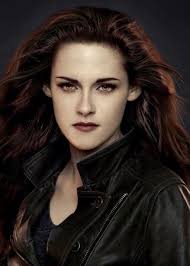
Isabella Swan’s name immediately grounds her in a world of conflicting beauty and vulnerability.
Etymology and Meaning
- Isabella: A Spanish and Italian form of Elizabeth, meaning “My God is abundance” or “consecrated to God.” This root speaks to her role as the central, almost sacred, figure of the story, the object of adoration and protection for both vampire and werewolf. It suggests a destiny or purpose (being “consecrated”) far greater than her perceived awkwardness.
- Swan: The surname is a direct, potent symbol. Swans are universally recognized for their grace and beauty, but the myth of the “swan song”—a beautiful, final song sung just before death—underscores Bella’s constant dance with mortality and her willingness to sacrifice her human life for immortality and love. It also subtly connects to the fairy tale of the “ugly duckling,” signifying Bella’s transformation from an awkward, ordinary human into a powerful and beautiful vampire. It foreshadows the death of her human identity to become a vampire.
Symbolism in Context
Bella’s full name contrasts a sense of divine importance (Isabella) with the elegant fragility of a creature poised on the edge of transformation (Swan). She is the consecrated human on the edge of changing from an “ugly duckling” and must metaphorically “sing her swan song” to transition into her final, supernatural form.
Character 2: The Enduring Vampire — Edward Cullen
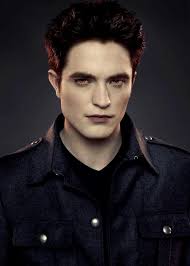
Edward’s name suggests a man frozen in time, defined by wealth, guardianship, and ancient, cold beauty.
Etymology and Meaning
- Edward: An Old English name derived from ēad (rich, blessed, prosperous) and weard (guardian, protector). The name’s popularity peaked long ago, dropping out of the top 10 in 1931 and out of the top 100 in 1998, which gives it an old-fashioned feel. (Behind the Name – Edward) This name is an immediate, perfect fit for the vampire who is perpetually 17 years old and has been blessed with immense, enduring wealth (as a Cullen). Crucially, it highlights his defining trait in the narrative: his obsession with protecting Bella. He is literally the “rich guardian.”
- Cullen: While a common Irish surname, the meaning can be linked to cuileann (Irish for “holly”), an evergreen plant associated with everlasting life and resilience—a fitting metaphor for an immortal being. Phonetically, “Cullen” is a cool, hard sound, contributing to his image as an elegant, but emotionally reserved and cold creature.
Symbolism in Context
The name Edward speaks to his role as the wealthy, eternal protector, while Cullen reinforces his immortality and the coldness of his being. His name establishes his character as a figure of eternal nobility and intense, guarded responsibility, but hints at his true age with a classic old-world name.
Character 3: The Earthbound Shifter — Jacob Black

Jacob’s name roots him firmly in the natural world, representing a grounded, powerful, and primal force that stands in direct opposition to Edward’s detachment.
Etymology and Meaning
- Jacob: A classic Hebrew name meaning “supplanter” or “holder of the heel.” In the biblical narrative, Jacob literally supplanted his brother, Esau. This meaning is highly relevant to his role in the Twilight love triangle: he is the one who attempts to supplant Edward in Bella’s affections, acting as the second suitor and moral counterbalance to the vampire.
- Black: This surname is powerful for its color symbolism. Black is traditionally associated with mystery, power, and the unknown, but in this context, it perfectly aligns him with the dark, untamed earth. It also suggests his identity as a member of the Quileute tribe—a necessary contrast to the pale, “white” aesthetic of the Cullen vampires. The name links him to the “dark side” of the supernatural world (wolf, not vampire).
Symbolism in Context
Jacob is the “supplanter,” embodying the fierce, primal competition for Bella’s soul and heart. Black connects him to his lupine nature, the earth, and the raw power of the shifter pack. His name is the sound of the forest floor—grounded, warm, and real—a deliberate foil to Edward’s cool, metallic sound.
The Trifecta of Names
When these three names are read together, a subtle narrative emerges:
| Character | Etymological Role | Phonetic Quality | Subtextual Theme |
|---|---|---|---|
| Isabella Swan | Consecrated figure (Isabella) | Fluid, soft vowels | Vulnerability, destined sacrifice |
| Edward Cullen | Wealthy Guardian (Edward) | Hard, cool consonants | Eternity, cold protection |
| Jacob Black | The Supplanter (Jacob) | Grounded, sharp sounds | Primal power, earthy warmth |
Meyer’s choice of names ensures that even before a reader understands the plot, the core tension is present: a Vulnerable, Destined Beauty caught between an Eternal Guardian and a Primal Supplanter. The power of their names deepens the saga, making the love triangle not just a matter of choice, but one of deeply ingrained destiny and character essence.