If you follow me on social media, you know I post a lot about which publishers are open for submissions. I do this to help authors find the publishers that are most likely to accept their work. However, it’s up to the authors to decide if the publisher would be a good fit. To give you the best shot at getting an acceptance, here are a few tips for submitting to publishers.
1. Research the Publisher
This is a key step that many authors overlook. In the excitement of wanting to get their book out, they don’t notice the red flags on a website, or miss that the publisher is on SFWA’s Writer Beware List. This leads to heartbreak later when they realize they have paid thousands of dollars to a vanity press, or have signed away their copyright to a scammer.
For a more detailed guide on publisher red flags, check out this article by Emily Harstone on Author’s Publish.
If you think you’re immune to research because you have an agent, then think again. Agents need to be vetted, too. Just like publishers, not every agent is right for every author. Agents choose which authors they want to work with based on several factors. As an author, you need to know who you are trusting with your book. Alyssa Matesic has a short video on how to find an agent.
2. Follow the Guidelines
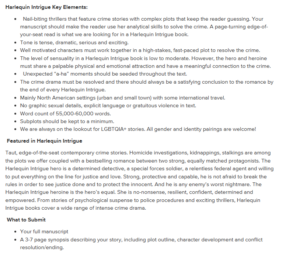
“Follow the guidelines” could be my mantra, considering how often I say it. Publishers have a process for reviewing work submitted to them. As part of the public, we are not always made aware of the specific process. Generally speaking, the publisher receives the manuscript, reviews it, and then either rejects it or moves it along to the next stage.
Publishers receive hundreds, if not thousands, of submissions during their open submission period. They aren’t going to spend time reading anything that doesn’t fit what they asked for. The guidelines will vary for each publisher. Most often, they include:
- Delivery Method: Some publishers prefer to use a platform like Submittable to manage their submissions. Others will prefer a direct email.
- Scope: Some publishers want an outline or summary of the story. Others will request the first few chapters. Some will request a full manuscript. If a publisher blind-reads submissions, they will note it here.
- Formatting: This can include anything from spacing, fonts, font size, and margins.
3. Submit Finished Work
One of the biggest misconceptions is that publishers will edit your work so you don’t have to. While they will edit the work, they are not looking for first drafts or work that will need extensive editing. It is the author’s responsibility to make sure the manuscript is as polished as possible before submitting it.
No first draft is great. It’s the nature of first drafts that they are messy scribbles of sometimes incoherent thoughts strung together to make a story. There is no shame in this. However, this is not what a publisher is looking for.
Think of it like going to a gala. You don’t show up in your bathrobe and slippers, hair in curlers and a face mask plastered on your cheeks. No, you go after you get past that stage, wearing a gown and heels, hair in a perfect updo, and makeup meticulously applied. (OK, so the example is gender centric but you understand the point).
Your manuscript is no different. Make sure it’s as perfect as it can be before sending it out to give it the best chance of catching the interest of a publisher.
4. Submit Unpublished Work
Publishers make money by selling books. They generate interest by advertising the book as new. Previously published manuscripts are not new. Even if it was “just” published on your blog, or Wattpad, or self-published and only sold 5 copies. It doesn’t matter. Most publishers will state this or something similar in their guidelines.
The one caveat for this is magazines. Some magazines will publish previously published articles. However, they will also pay less for previously published material. Again, read the guidelines to make sure that what you are sending as a chance to be accepted.
5. Don’t Spam the Publisher
This tip has two parts. First, if the publisher rejects your story, don’t immediately resubmit “with changes” unless the publisher specifically asks you to. If they reject the story, then that’s it. Read the notes, if there are any, and then submit it to someone else. Submitting the same work multiple times to the same publisher will cause that publisher to ban you from submitting ever again.
Likewise, if one imprint at a publisher rejects the work, don’t submit it to another one unless specifically instructed to do so. The publisher is not interested in seeing the same work over and over again .
Second, after you submit the work to the publisher, do not email, call, or message them looking for feedback or an answer. The publisher has thousands of submissions to read. They will not jump yours to the top of the pile because you are annoying. Many publishers list the expected wait times in their guidelines. They can range from a few weeks to several months. Some publishers don’t respond to submissions for years.
Does waiting for an answer suck? Yes. But it’s part of the process. Some publishers will allow for a follow email after a set amount of time. If they do, it will be clearly stated in their guidelines.
Conclusion
The physical act of submitting your work to a publisher isn’t hard. The hard part is researching the publisher, reading the guidelines, polishing the manuscript, and being patient. No one wants to wait for answers. But it’s part of the process. Hopefully, these tips for submitting to publishers will help your manuscript go from rejection to offer.
If you would like to get personalized tips for submitting to publishers, then please contact me via email to set up a one-on-one coaching session.